
Tauranga And Rotorua
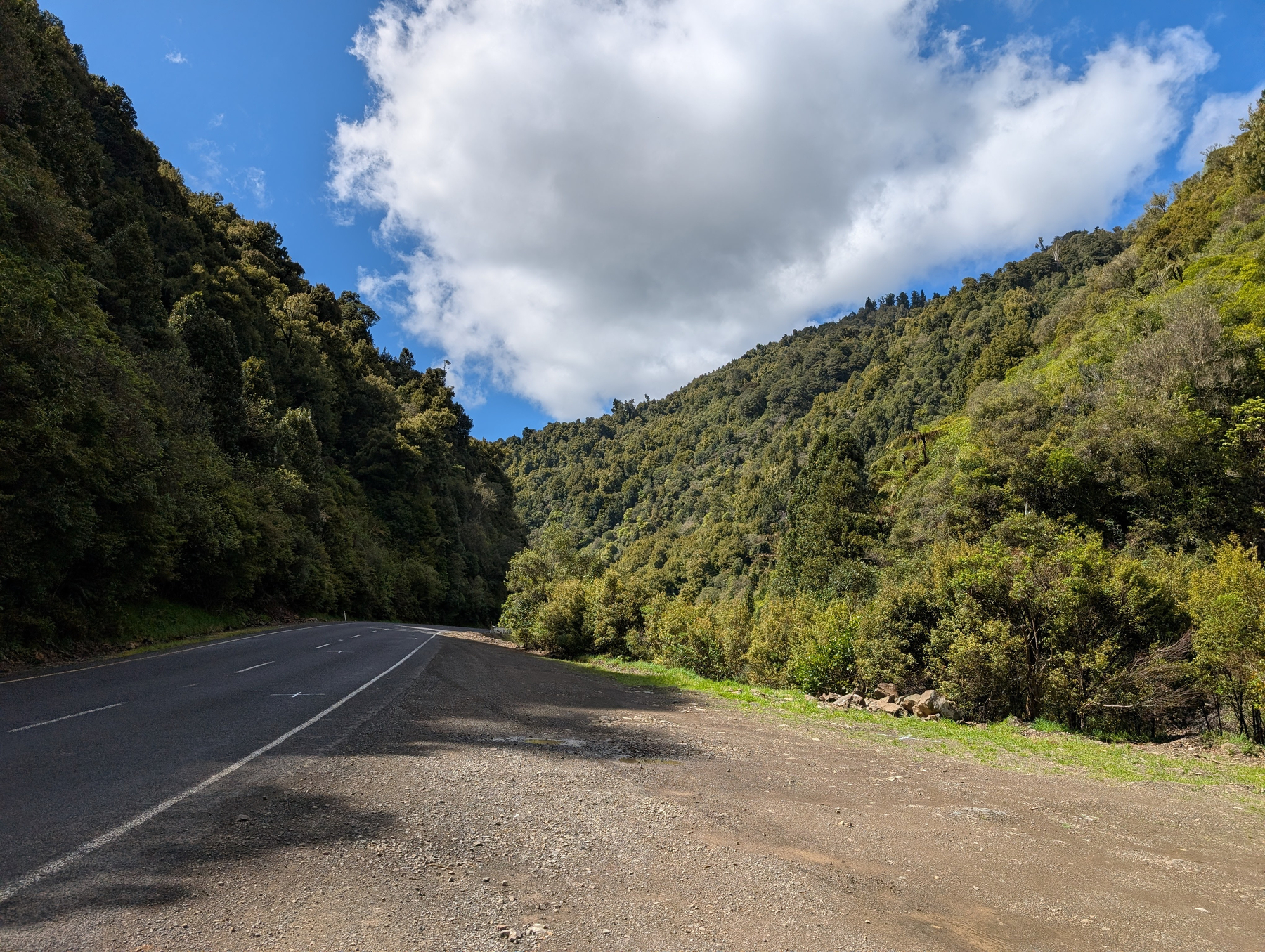
Arrived at Tauranga yesterday. It was another beautiful drive from Gisborne, along the Motu River at the foot of green mountains to Ōpōtiki, then along the coast to Tauranga. I remembered to stop and take a few pictures this time.
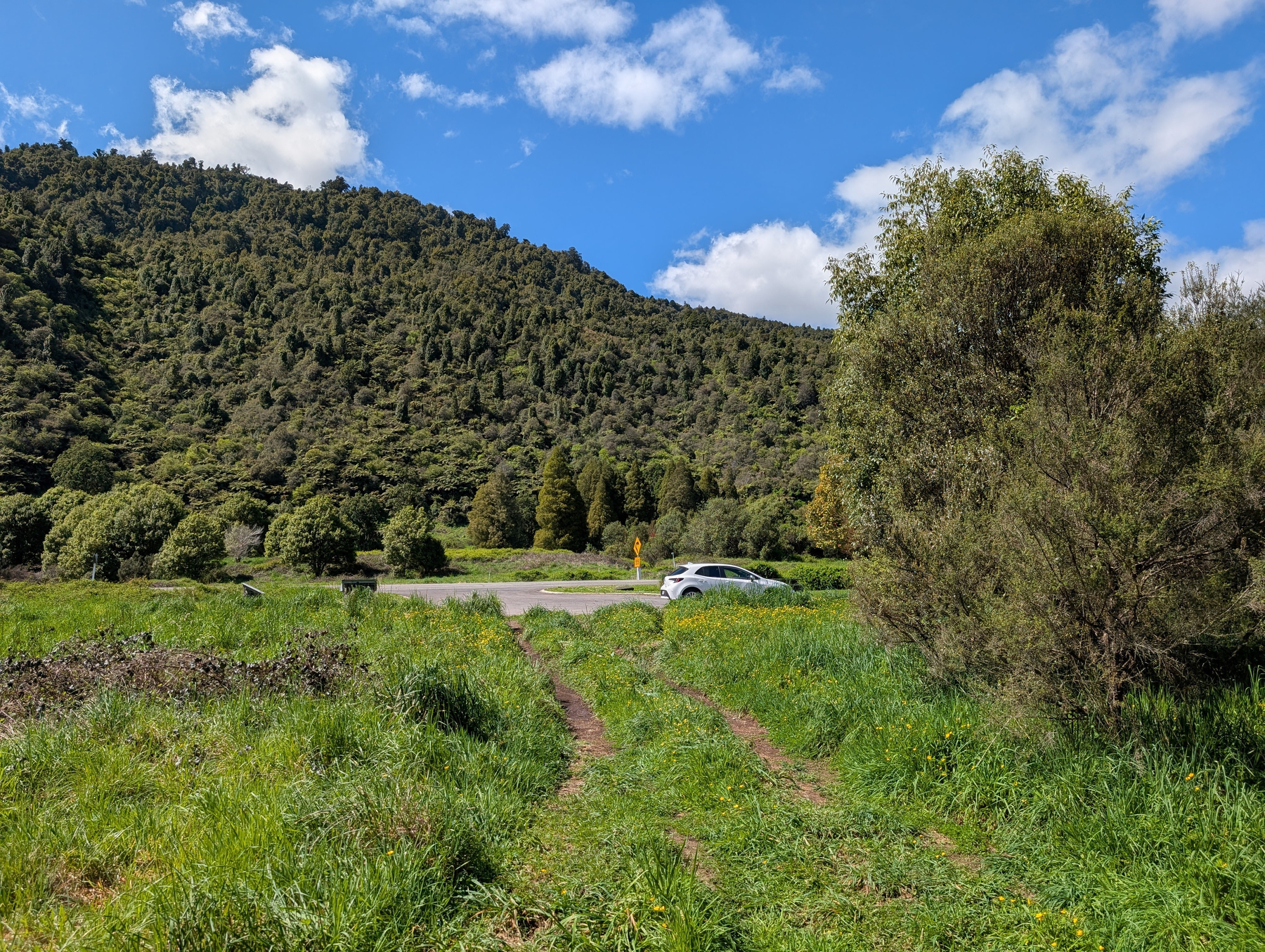
Tauranga was a place recommended to me by one of the kiwis that I work with. It’s a good recommendation, although it’s a lot larger than I was expecting. There’s an airport, a bulk load and a container seaport, and a railway connection, that crosses the bay on a bridge aside a footpath. It would’ve been good to grab a video of a train passing while on the bridge. Alas, my timing was all over the place.
This is the point in my trip that I’m started getting a bit tired of travelling. I didn’t really do much yesterday, apart from walk around the CBD of Tauranga a bit (and cross the bridge). And while this trip is nearing its end, I still had some time to do something. And I thought it was time to actually do something touristy.
So today, I went to Rotorua, and the National Kiwi Hatchery. And it was grand. I honestly couldn’t tell you for certain whether I’ve seen a kiwi before today (I’m leaning towards maybe), but after today, that answer is definitive. The hatchery was just outside of Rotorua, and I had a bit of time to look around. Being Rotorua, the headline features are the thermal pools. They were fun to look at (and smell) but they’re also hazards so I didn’t get too close.


The tour was with about 25 people and lasted about an hour. We learnt about the operation used to boost the number of Northern Brown Kiwis, what their principal threats are (apparently stoats were introduced, in response to control the number of introduced rabbits 🤦), and a few interesting facts about the bird itself. They can live up to 50-60 years; they’re monogamous; the female lays two clutches of two eggs every season. And they have attributes akin to mammals: marrow in their bones, a naval, and the female has two ovaries, rather than one. I also learnt something about the use of “kiwi” to describe a New Zealander: it didn’t come from the bird, it actually came from the use of Kiwi shoe polish by Allied forces around the world wars (you can thank a Melburnian for that one 😉).


It was a fascinating tour, and I’m really glad I did it. The rest of the day was simply taking it easy and trying, but failing, to record a train passing by up close.
I leave tomorrow for Whitianga.