-
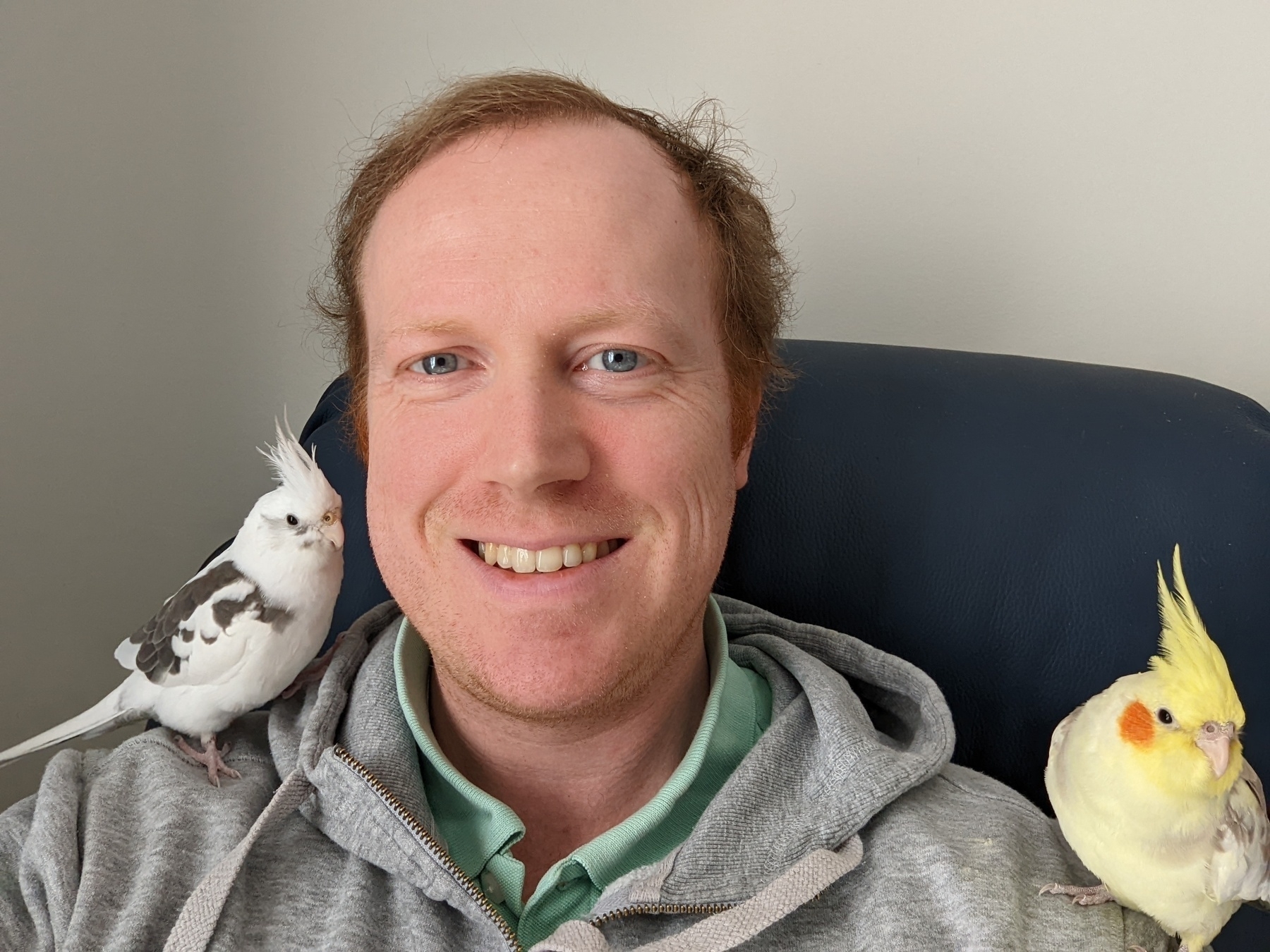
Heading back to Melbourne today after my 2.5 weeks in Canberra. Going to have to say goodbye to these two for a little while. Must say that my stay has been fun. Even though I’ve been working, it felt like a bit of a holiday.
-
Discovered the Causality podcast after listening to an episode of Reconcilable Differences. The subject matter — engineering disasters and what caused them — might be grim, but I think it’s helpful for people working in engineering, or software in that matter, to hear about them once in a while. After all, what we build will eventually be used by people, and the safety and usability of our creations can affect real lives.
-
Got blocked on how I to fix a problem encountered with the current task I’m doing for work. Always helpful to go back to the approach of “make it work, make it right, make it fast” in order to clear the blockage. May have generated a better way to actually do the task as well.
-
🔗 Internet Explorer was once synonymous with the Internet, but today it’s gone for good
So long, Internet Explorer. We sadly knew you all too well.
Worth pointing out that support for an “IE compatibility mode” won’t be removed from Edge until 2029, so can we really say that IE is dead?
-
Honour, Democracy, and Galati: A Day in Canberra
Since being in Canberra, I haven’t really done anything “touristy”. Given that today was a public holiday, I figured it was as good a time as ever to do so. So I decided to spend the day visiting a couple of national landmarks, plus something I’ve been planning to do since returning to Canberra. The War Memorial The first time I’ve ever been in Canberra was during Christmas holidays in 2007 my family. Continue reading →
-
Ivy’s discovered the vessel I drink from and wants in on it.
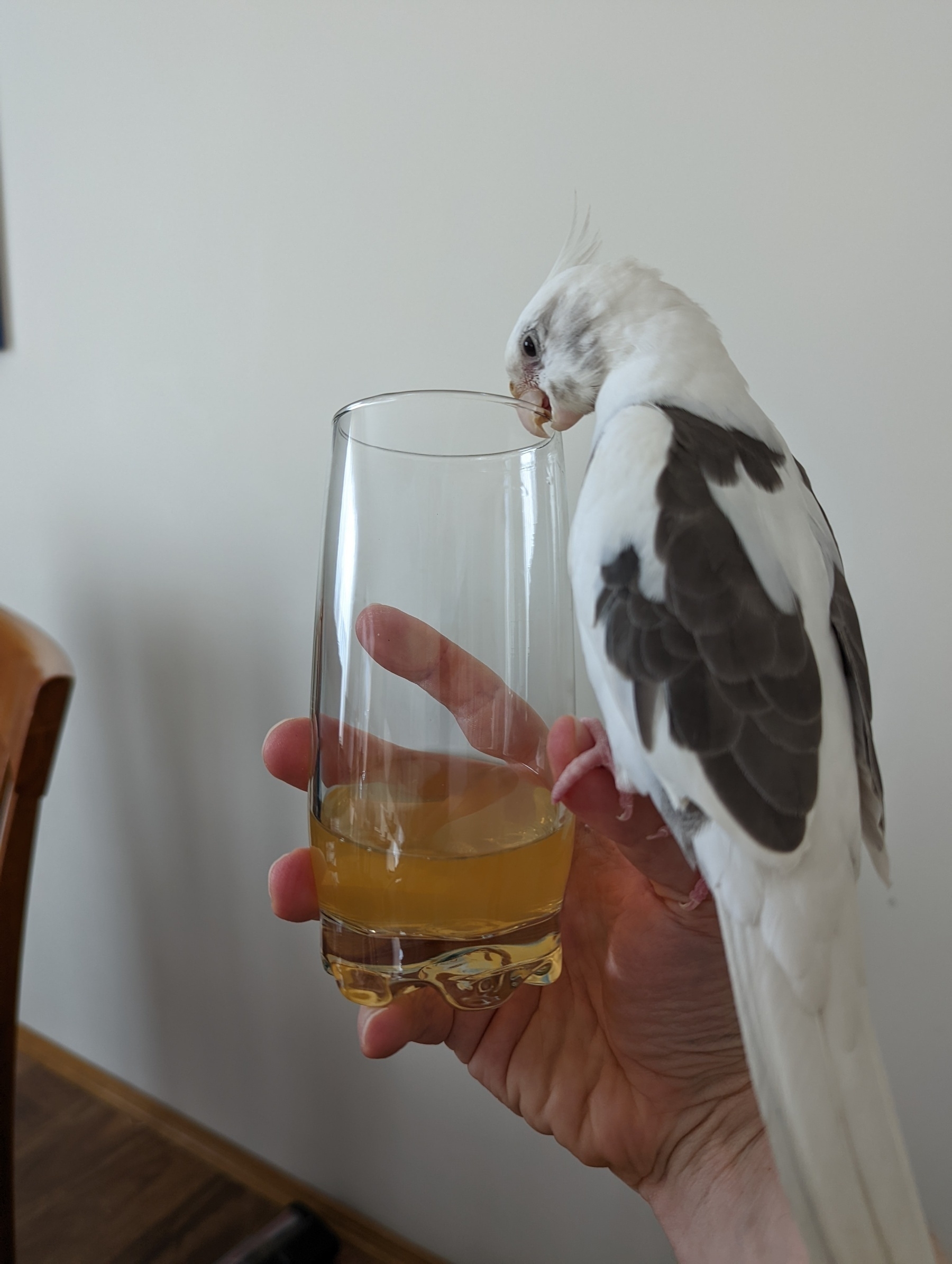
P.S. Ivy doing this actually reminds me of this post from @martinfeld.
-
I’m toying around with the idea of building something to help me upload multiple photos to Micro.blog and easily produce a gallery. I’m hoping for this thing to work in both Android and macOS. After watching a few Google IO sessions this year, I hear that Flutter can now build macOS applications, so that seems like the best framework to try. There’s even a package that offers macOS looking controls.
I took a brief look at the online demo and I’m quite impressed by how close they get to real macOS controls. Buts just like CGI faces, there’s a bit of an uncanny valley associated with them, in that they look so close to native macOS controls but it’s clear that they’re not.
I wonder whether it’s worth going with this control-set regardless, or whether it’s better leaning in to the fact that this won’t be a Mac-assed Mac app and going with something completely different.
-
Afternoon Walk Around Lake Ginninderra
Went for an walk around Lake Ginninderra this afternoon. Well, not “around” the lake: that walk would have taken a while. But I did walk along the path that would take me around the lake for about 30 minutes, then walked back again. Below are a few photos I took. Continue reading →
-
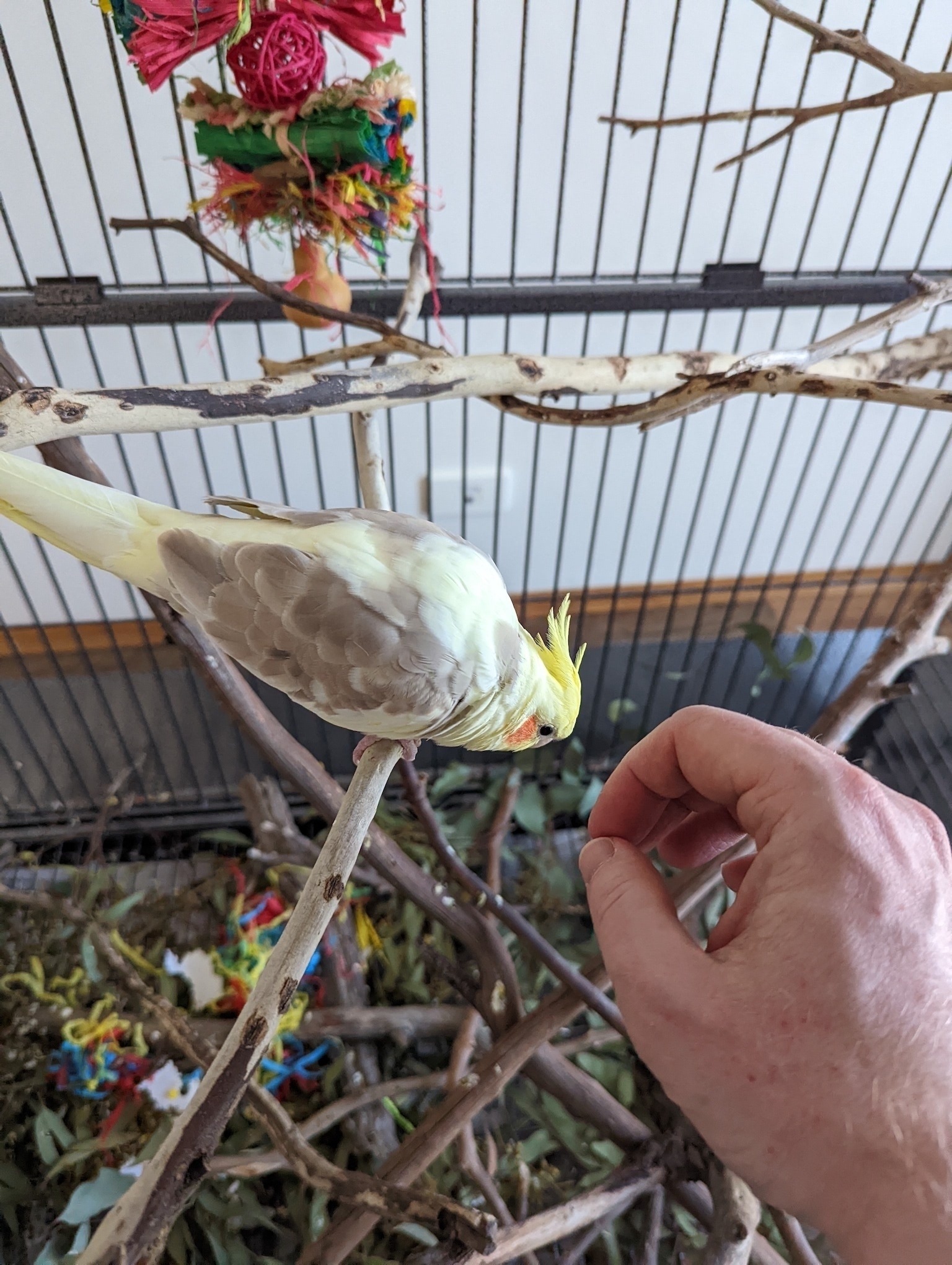
Archie loves head-scratches. In fact, when I reach my hand into the cage to let him out, he doesn’t immediately perch on it. Instead, he bows his head expecting me to scratch it.
-
My Evening
So here’s how I spent my evening: Watching the WWDC state of the union until the DNS resolver konked out in the WiFi router, causing the Chromecast to get into a state in which it could no longer connect to the network, resulting in about 10 minutes of troubleshooting before deceiding to clean up, not go to the gym, spend another 10 minutes trying to troubleshoot the issue, then stared at my laptop for about half an hour wondering whether to go back to troubleshooting the Chromecast, or doing something else with the hope that it would eventually work itself out. Continue reading →
-
This is a little embarrassing, but it was only just yesterday that I learnt that tanukis are an actual species of animal. And they look adorable.
-
Writing documentation for your project can be a bit of a humbling experience. You encounter all the holes in your functionality, maybe find out that it’s not as easy to get started as you first thought. Of course it takes an attempt at explaining the thing you’re building for you to realise all this.
I guess that makes writing the docs all the more valuable, so that you can find all these shortcomings and fix them. Might even be worth writing the docs before you write the code. That way, you can avoid them altogether. Sort of like TDD but with documentation (DDD?)
-
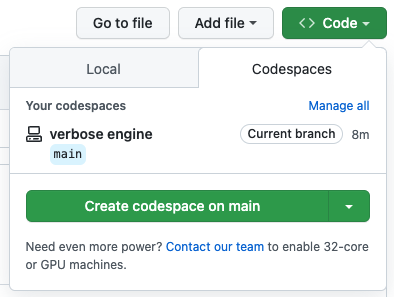
The names for GitHub Codespaces are randomly generated, but I kinda like the one chosen for this website repo. Seems fitting in a way.
-
I gotta admit: the most exciting announcement I saw from WWDC 2022 was the FreeForm app, with the ability to share boards with others. Hopefully now I can ditch the QuickTime Player technique for sharing hand-drawn diagrams on Slack calls.
-
I’m always torn between using a tool I wrote to draw sequence diagrams for work vs. using the “built-in” diagramming tool of the wiki software uses. On the one hand, having diagrams that others can modify is probably a good thing. On the other, dealing with this point-and-click software for drawing sequence diagrams is a huge pain, a part of the reason why I built the tool in the first place.
-
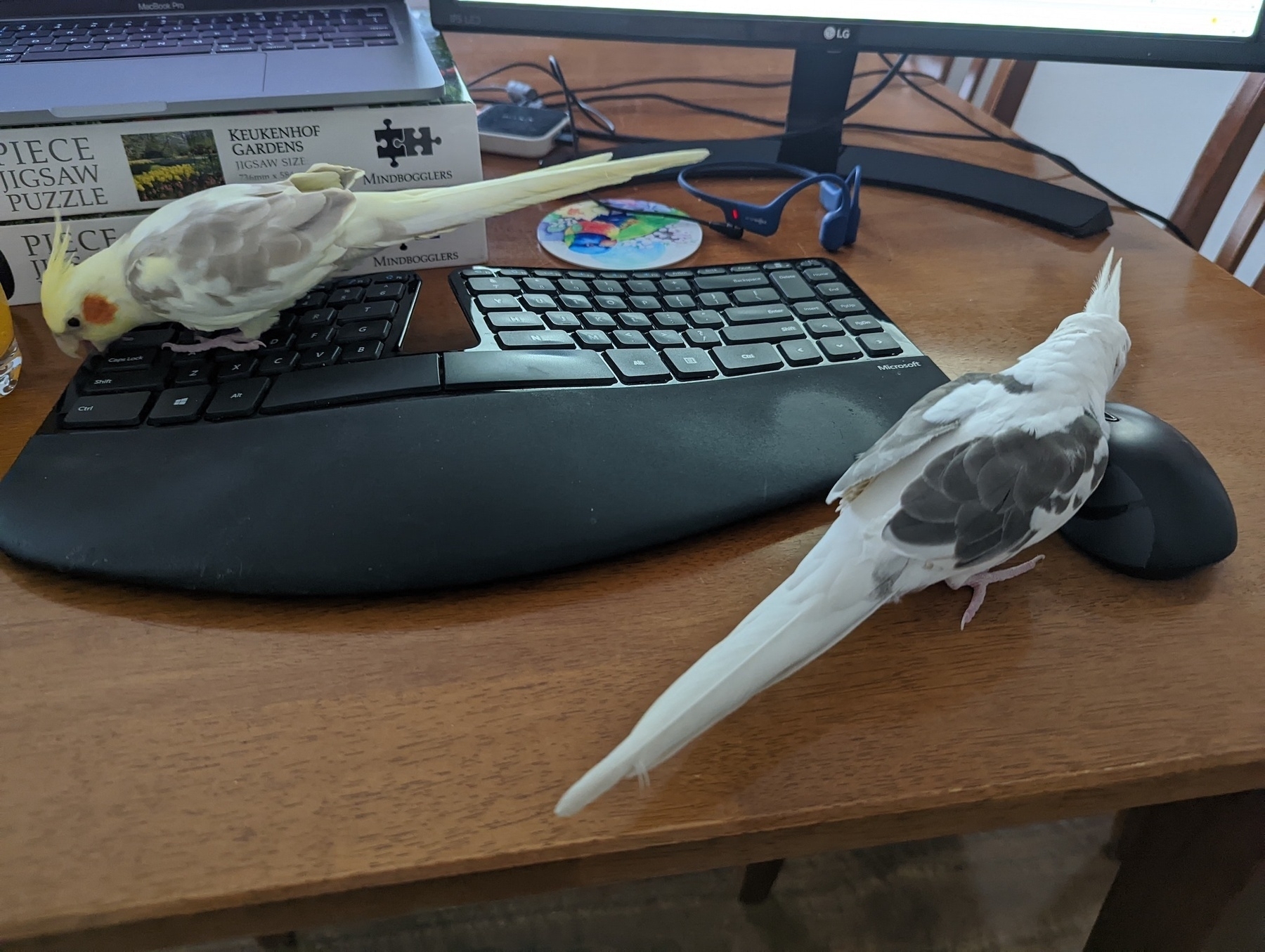
These little fellas just love going for the keyboard and mouse when they’re out with me. Maybe, with a bit of training, I might be able to get them to do my work for me. 🤔
-
The Powerline Track Walk
Went on a walk of the Powerline Track, which I was personally calling the “powerline walk” (yes, I’m impressed at how close I was). I saw this trail when I was in Canberra earlier this year, and knowing that I would be back, I made a note to actually walk it, which I did today. This track follows the powerlines just south of Aranda Bushland Nature Reserve, then goes under Gungahlin Drive and into the Black Mountain Nature Reserve. Continue reading →
-
Now that the May Photoblogging Challenge is over, I need to come up with my own topics to post about again. How did I do this in April?
-
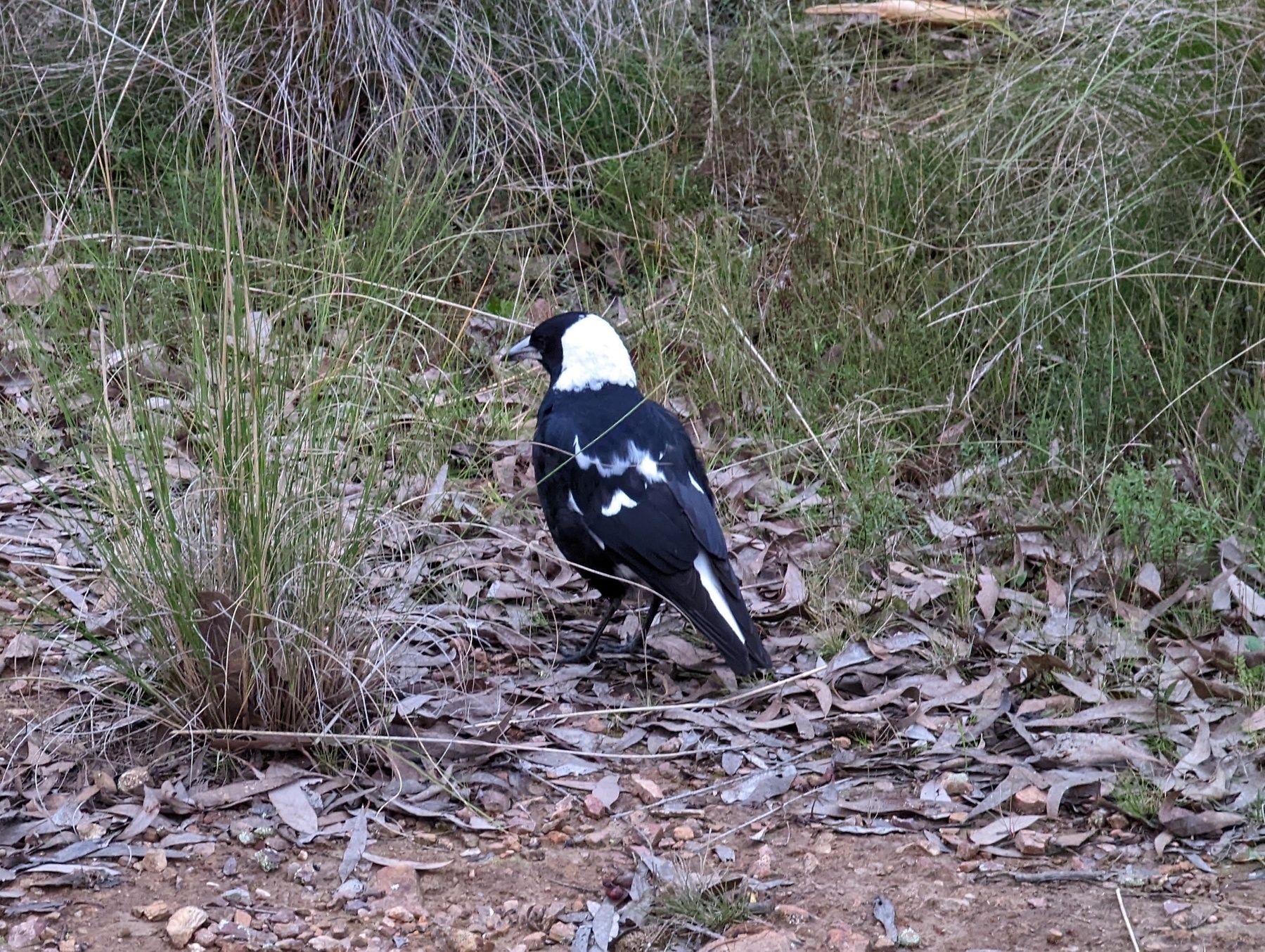
Most of the magpies I see in my daily life are of the white-backed variety, which is the common subspecie in Victoria. So seeing one with a black back, like I did today during my evening walk, is still quite a novelty.
-
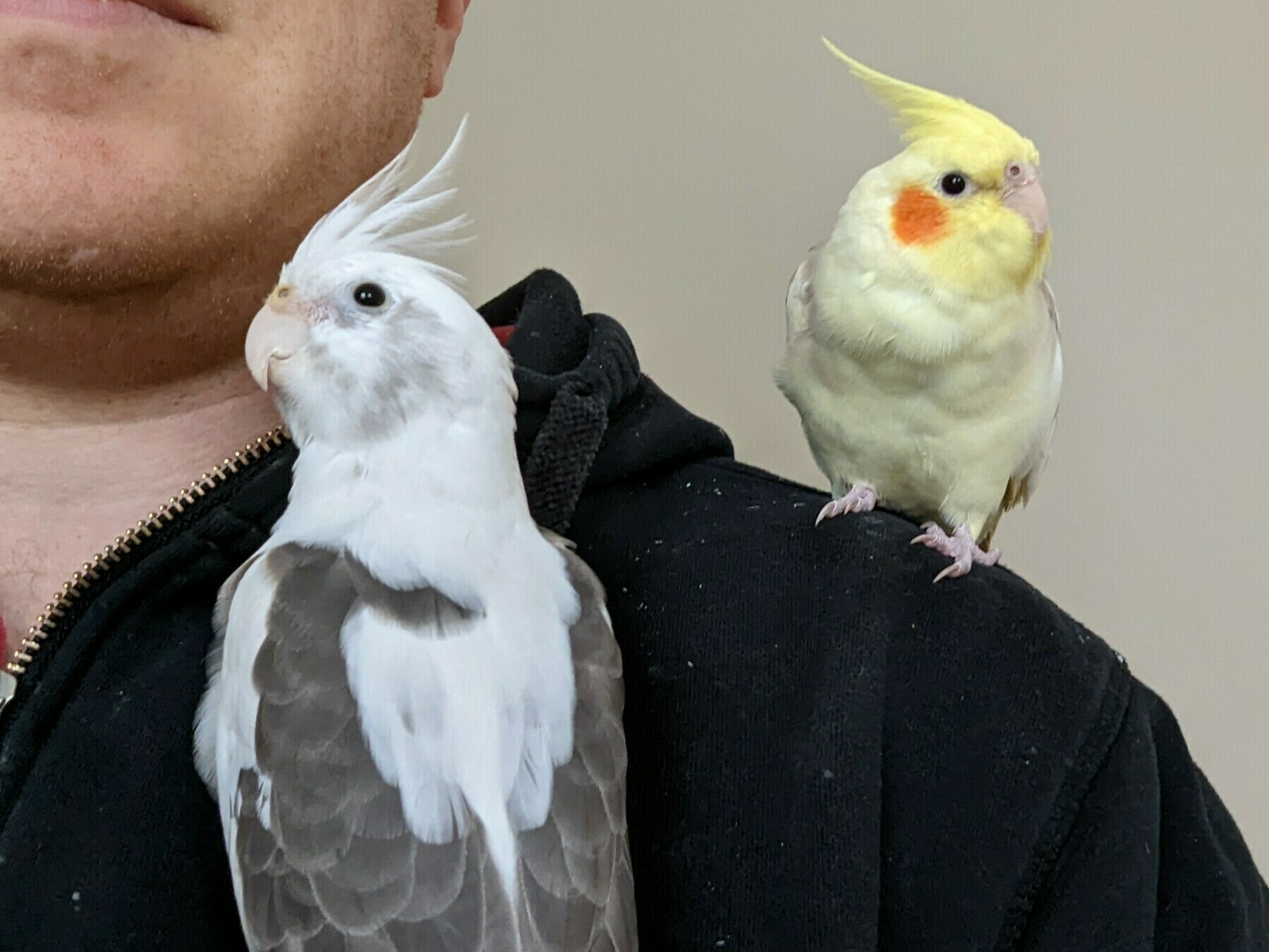
Back in Canberra, looking after my sister’s cockatiels while she’s overseas for work. Say hello to Ivy and Archie.
-
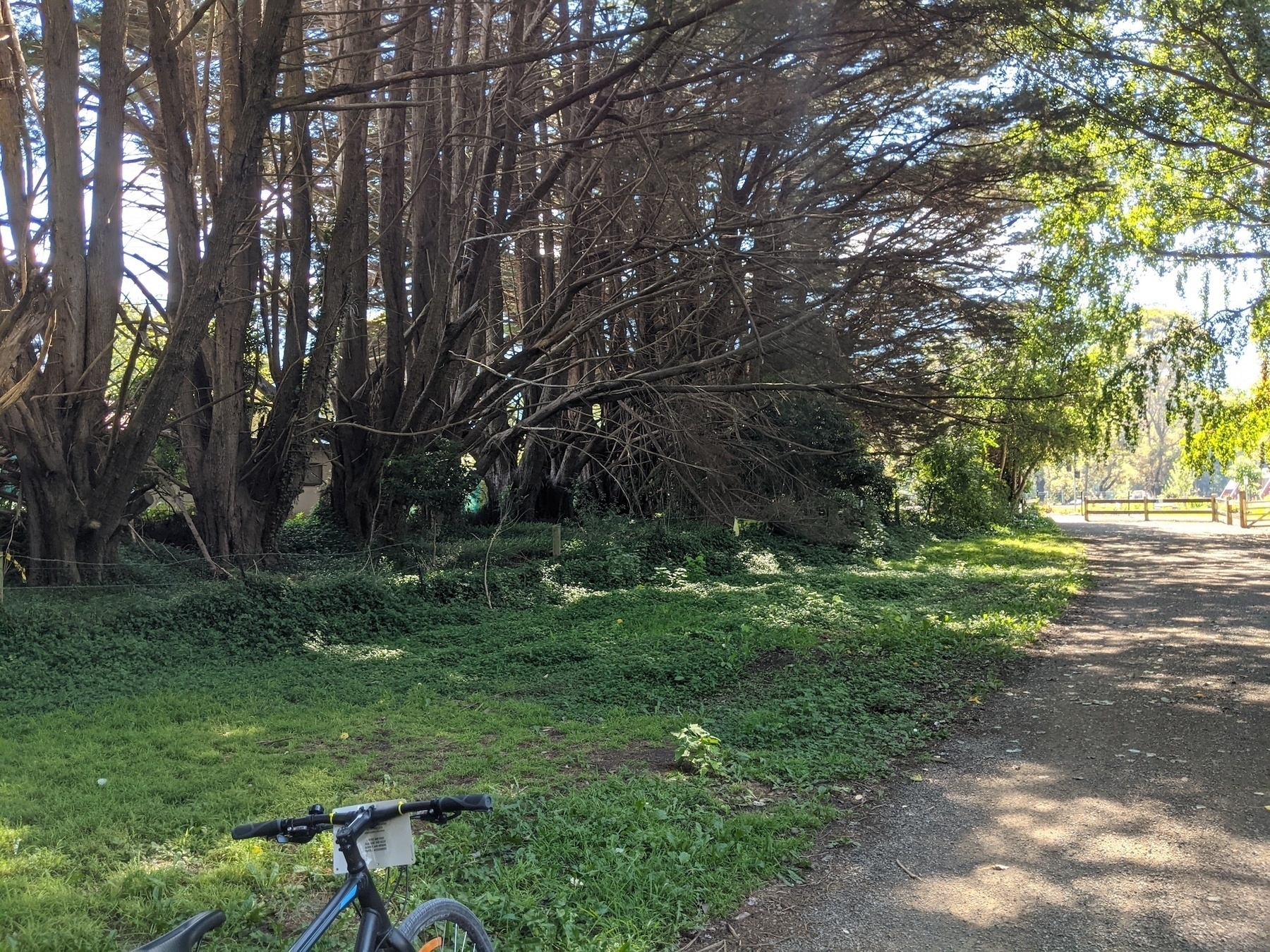
Day 31: endurance
I’m not someone that does endurance training, but I do enjoy a good bike-ride once in a while. It helps if the bike path is pleasant. #mbmay
-
🔗 How I Experience the Web Today (via Daring Fireball)
I think most people have seen this. What got me to post it here, apart from bookmarking it, was wondering how anyone with a real website like this expects visitors to stick around, let alone visit it again in the future.
-
Day 30: fish
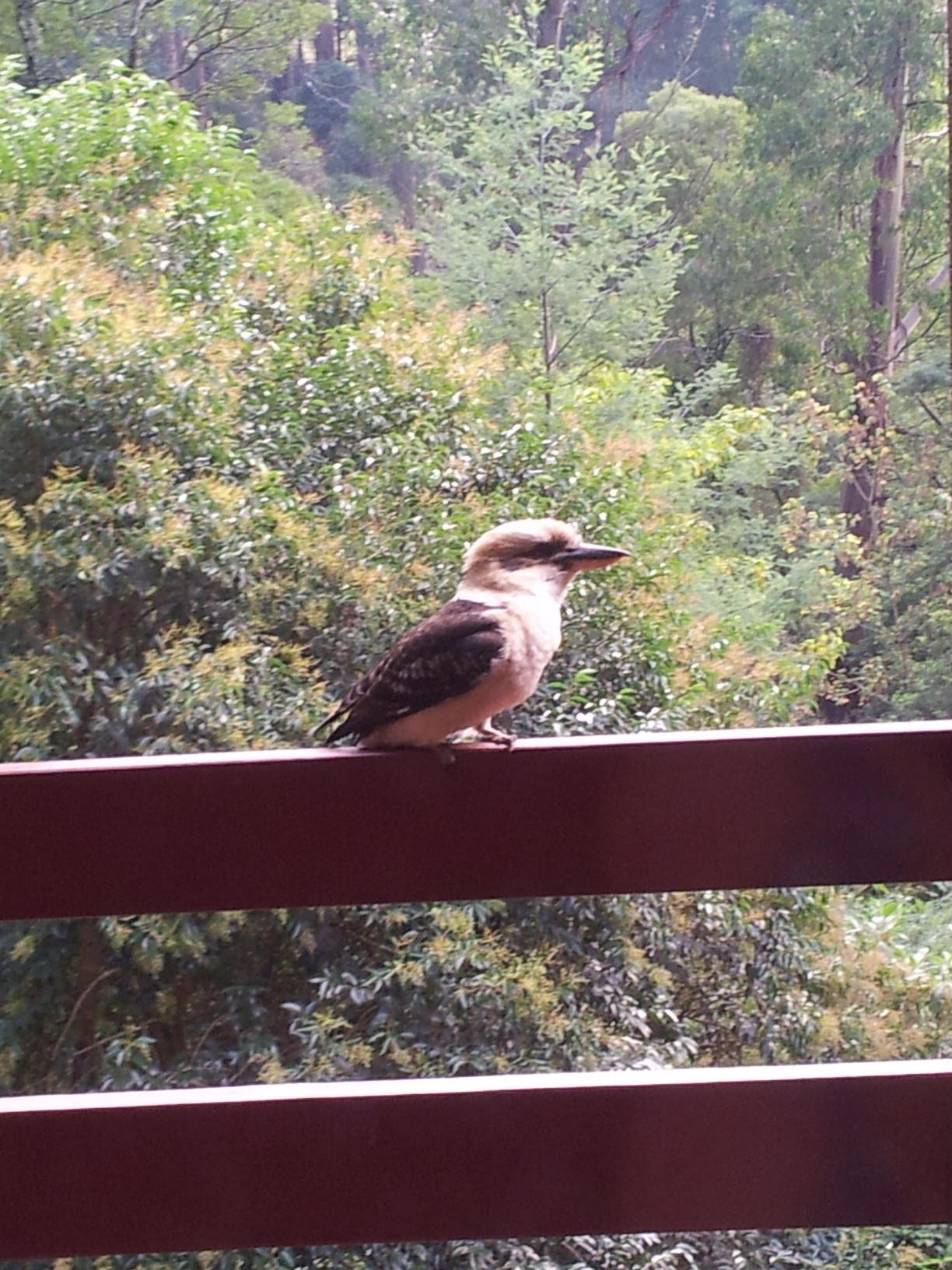
Haven’t got a good photo related to fish, so I figured a photo of a kingfisher would do. #mbmay